
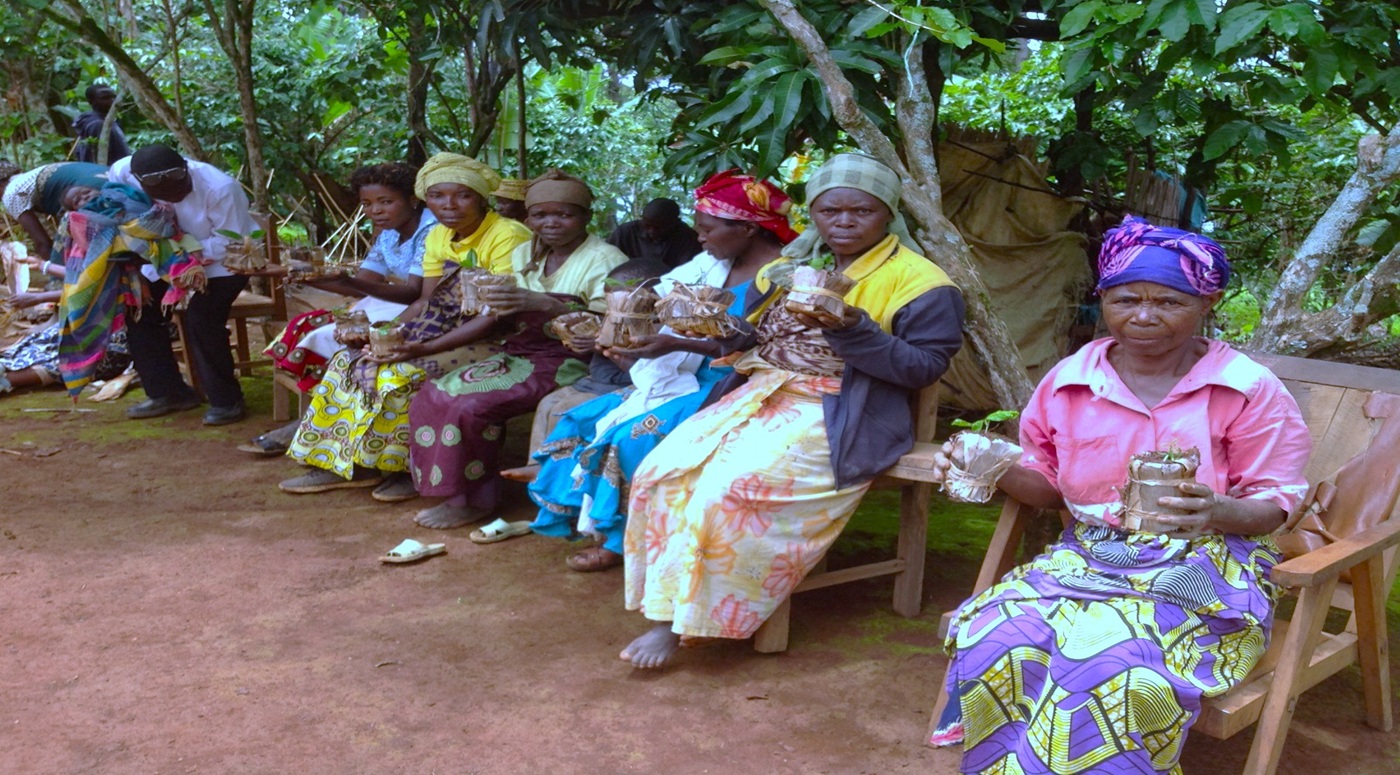

JEBK Foundation is to promoting

JEBK offers internships, field training, and research placements for students, young professionals, and scientists. These programs are supported by experts and volunteers from accredited scientific and educational institutions.

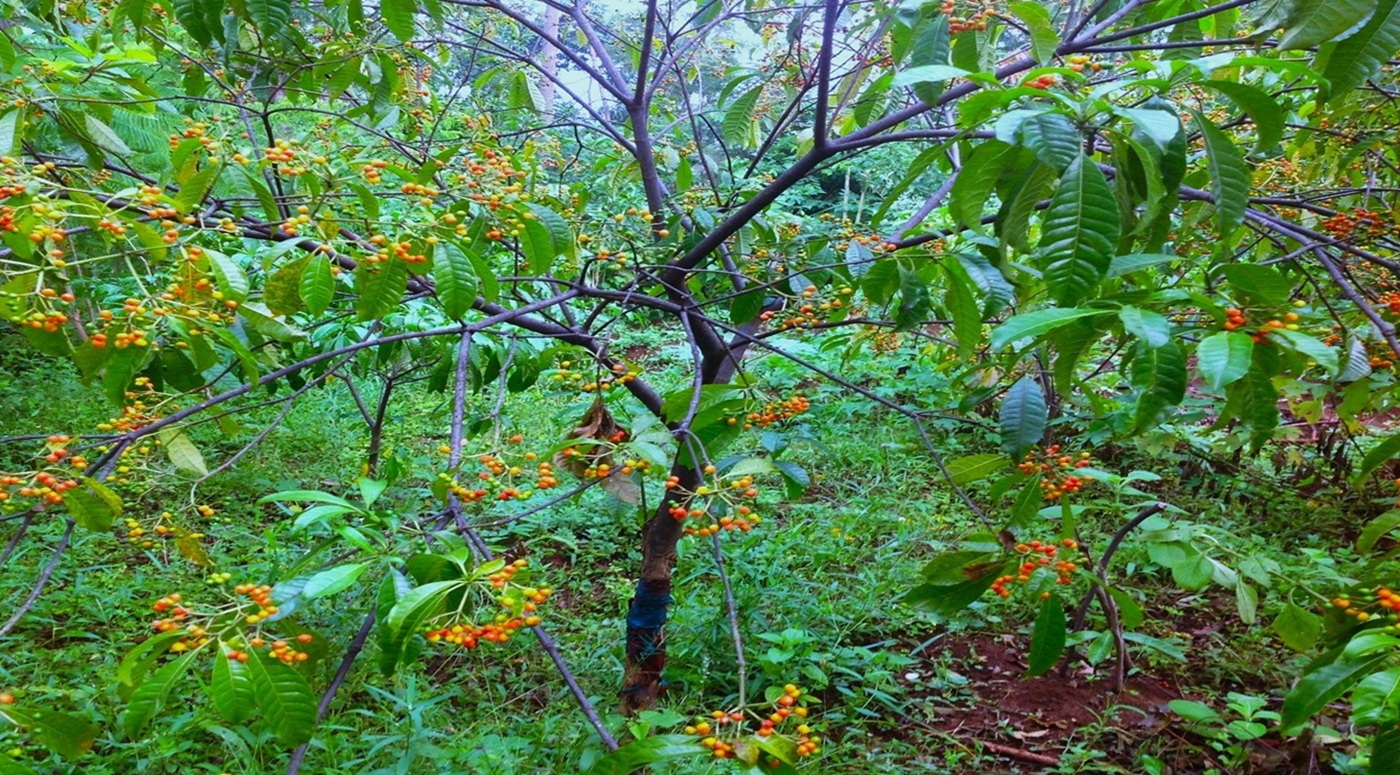
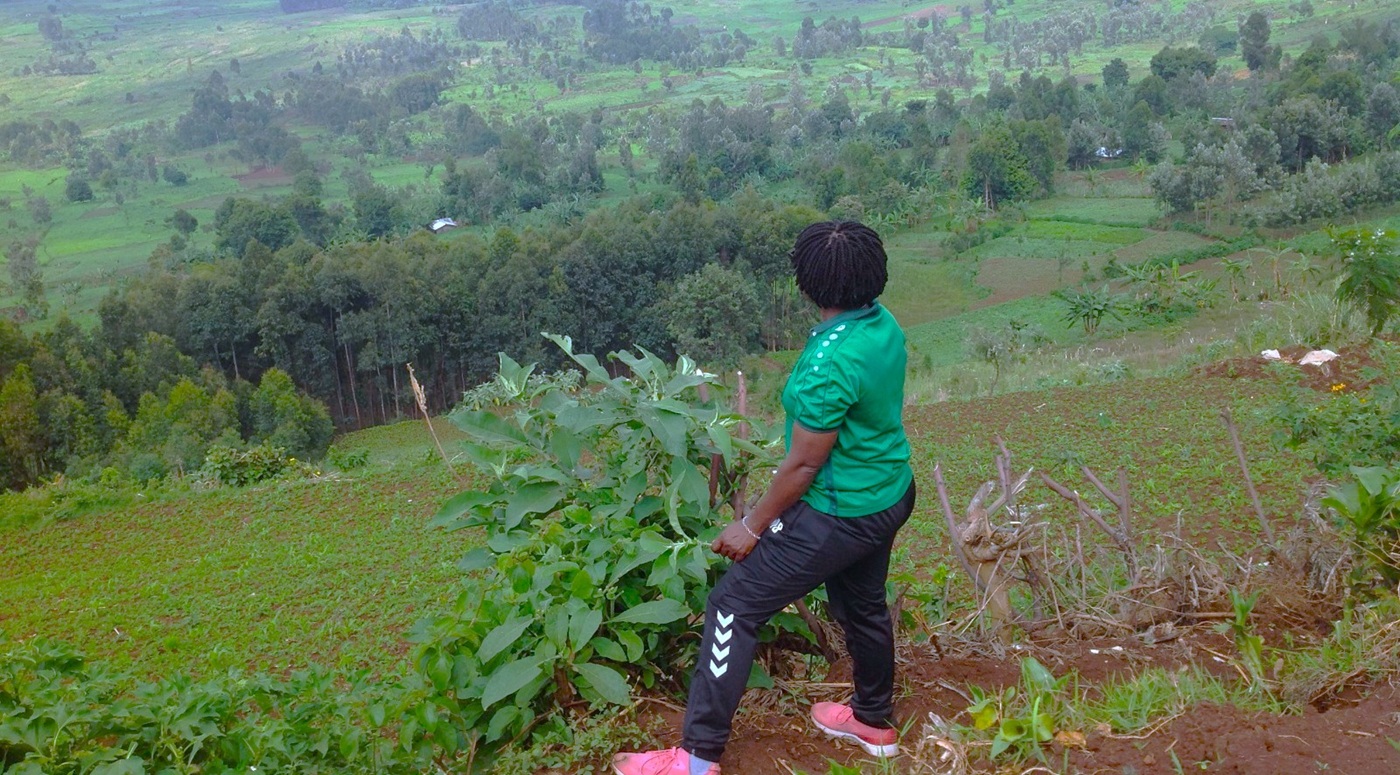
JEBK helps restore threatened tree species around Kahuzi-Biega National Park, Virunga National Park, and other vulnerable landscapes. We preserve Prunus africana, Carapa procera, Podocarpus usambarensis, as well as several many other valuable wild edible indigenous species

JEBK runs a multi-year program that supports national efforts to reduce unemployment, social exclusion, and youth delinquency, while promoting the inclusion of women, displaced people and people with disabilities.
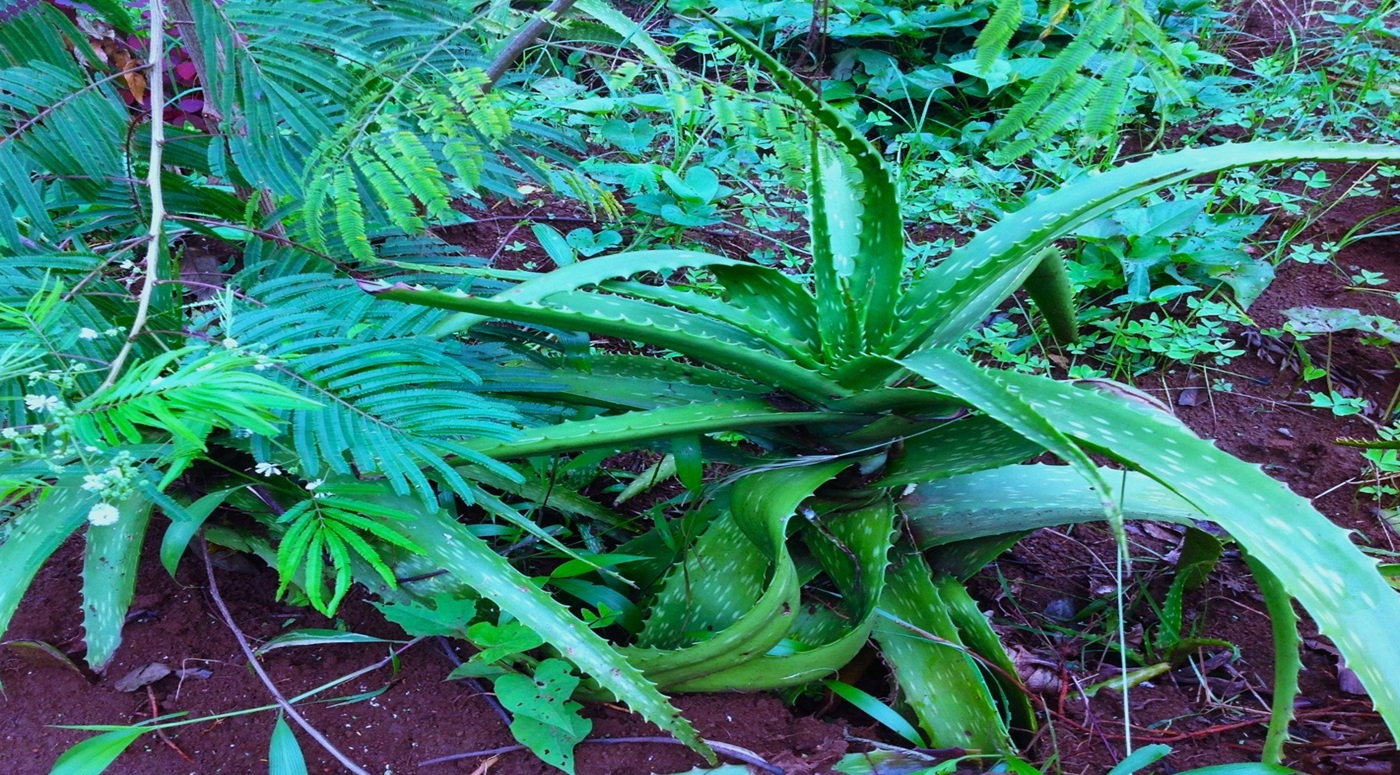
An Ethnobotanical Garden
A plea for conservation, culture, and science in the DRC
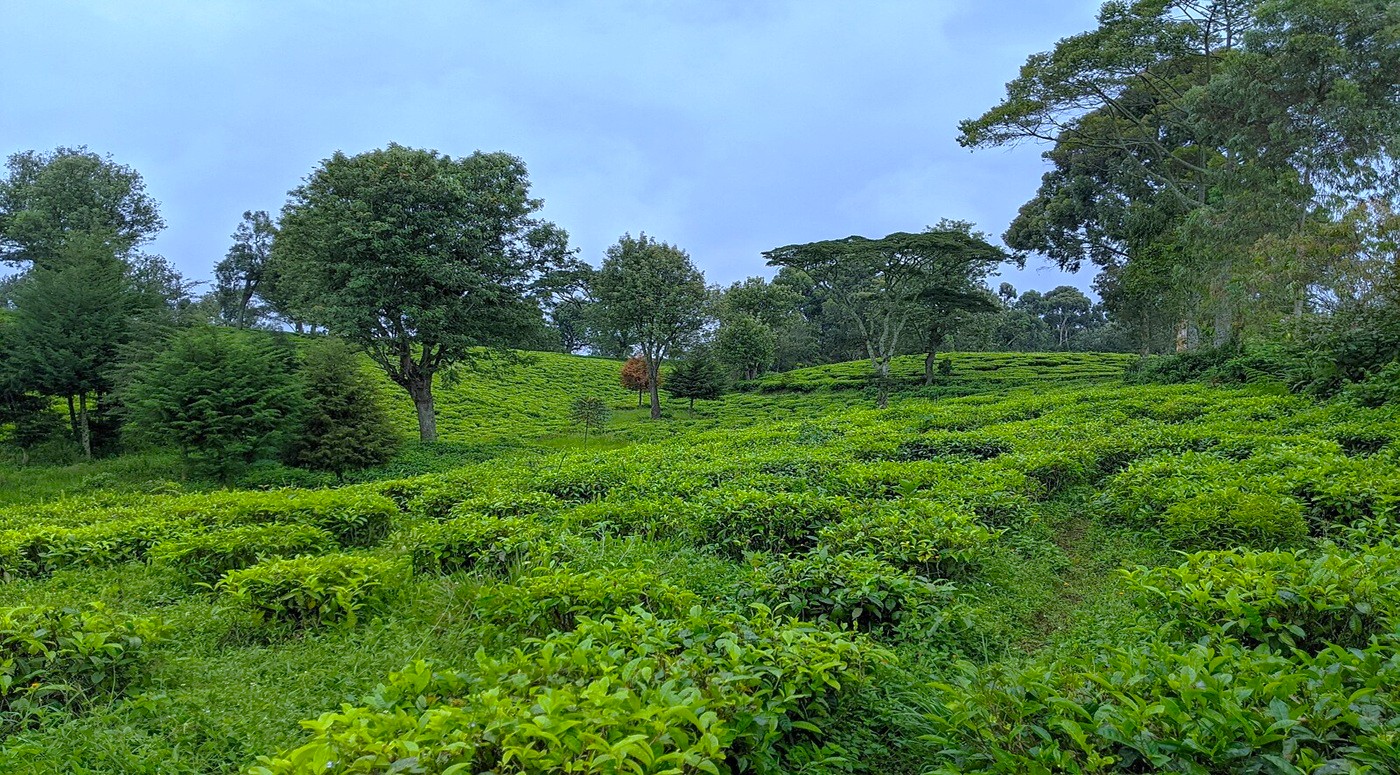
The Kivu region, encompassing North Kivu and South Kivu, represents a unique ecological and cultural crossroads in Central Africa. However, amidst chronic instability, demographic pressure, and deforestation, this heritage is in danger. The creation of an ethnobotanical garden — a space dedicated to the relationship between plants and humans — answers several urgent imperatives.
READ MORE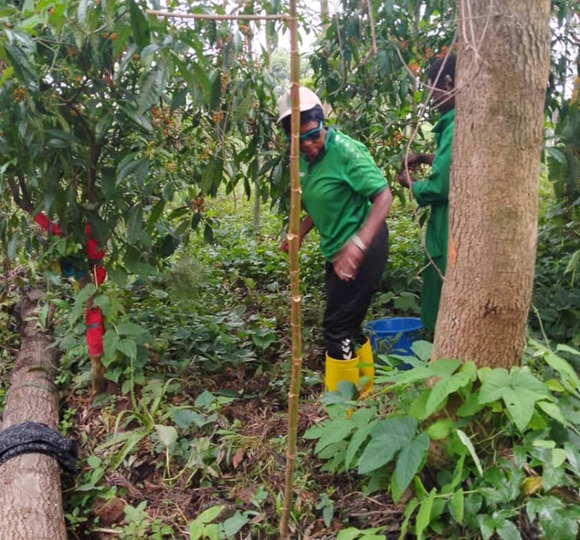
Here are the six pillars justifying this project
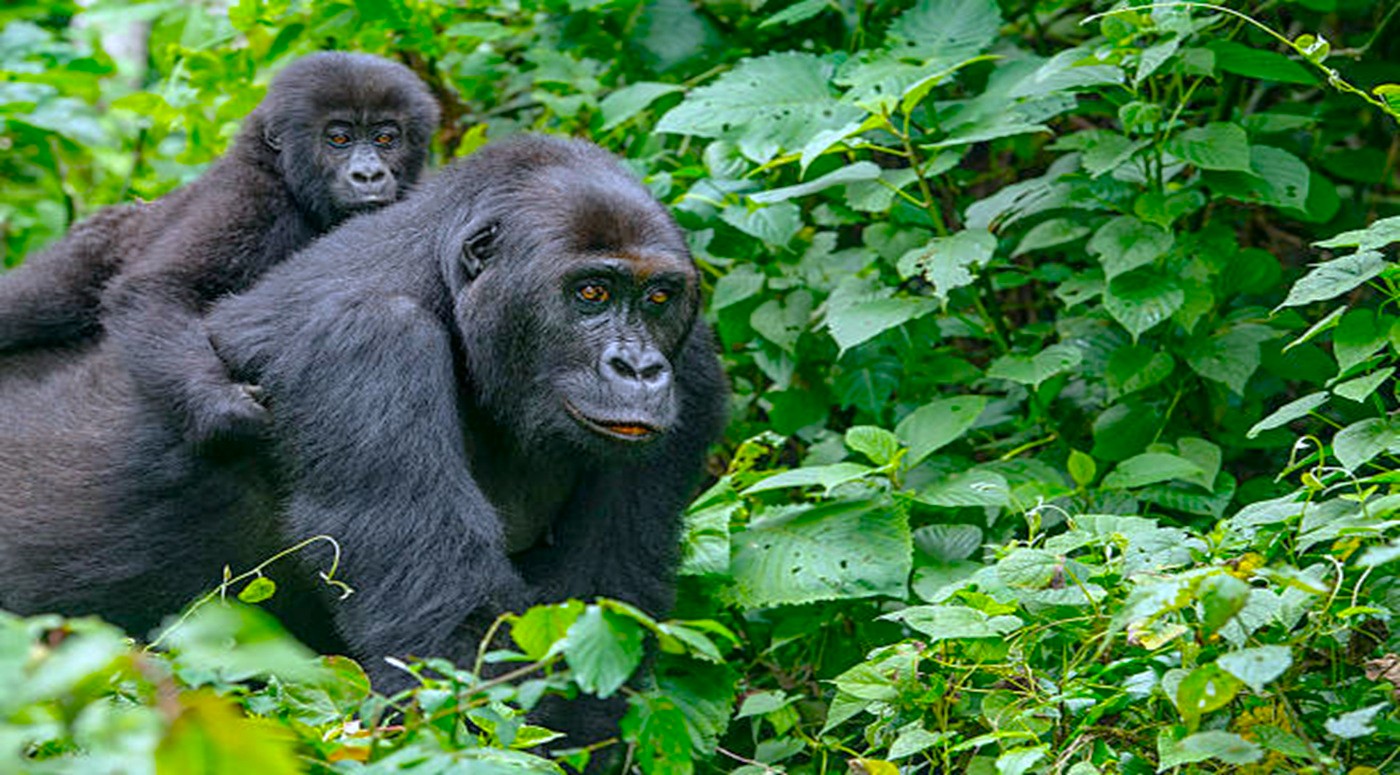
Kivu is part of the Albertine Rift, a zone containing more endemic species than any other region of continental Africa.
It is estimated that 80% of the population in the DRC relies on traditional medicine for primary healthcare.
Knowledge regarding the use of plants (for food, healing, building, or celebration) is held by the elders.
Faced with climate change which is hitting the region hard (disruption of rainy seasons, erosion), education is crucial.
Kivu is a mosaic of ethnicities. Plants are often a common denominator.
Located near famous national parks (Virunga, Kahuzi-Biega), an ethnobotanical garden diversifies the tourism offer.
JEBK's News
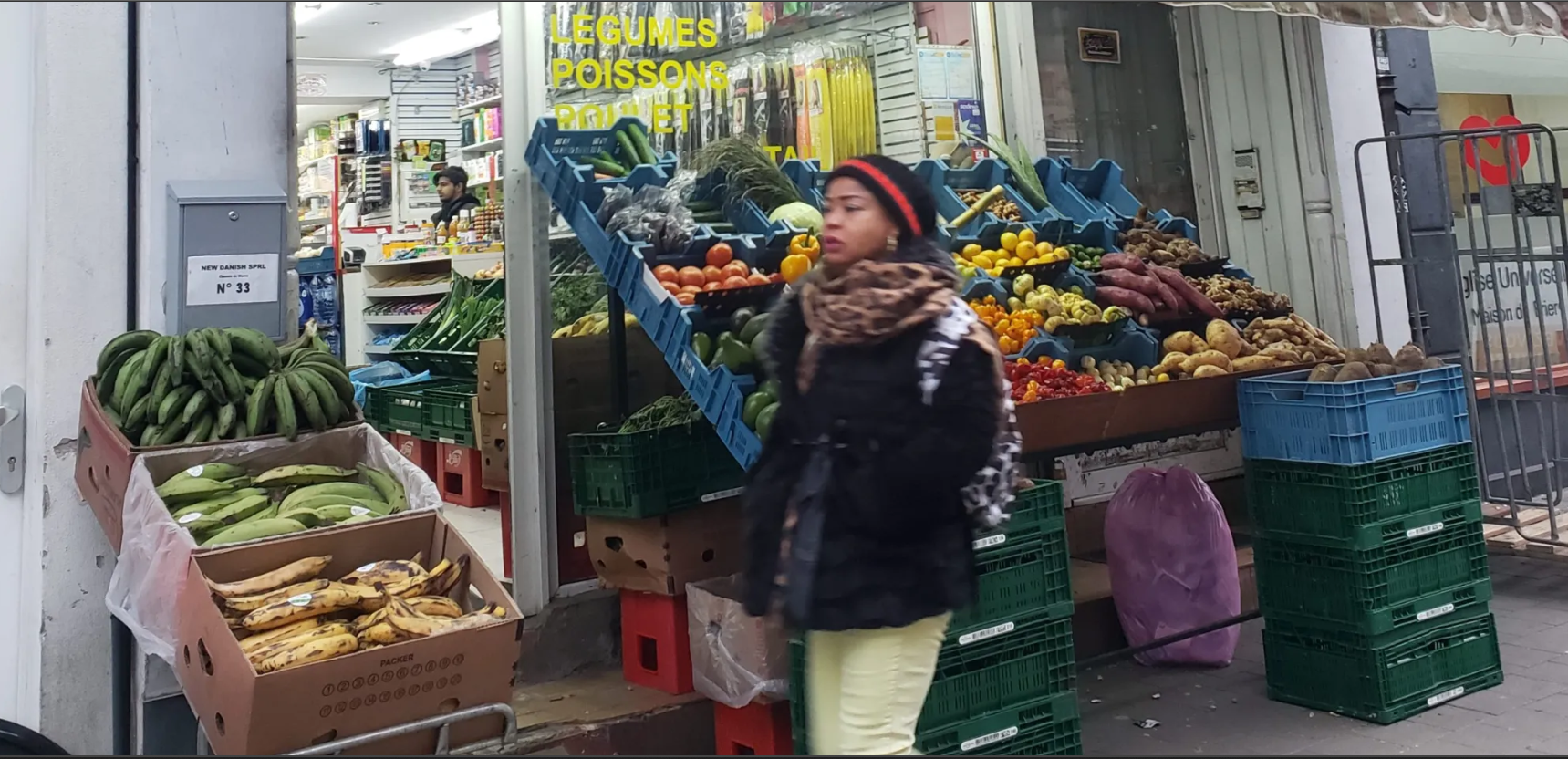
Market survey of African medicinal plants sold
Market survey of African medicinal plants sold in Matonge-Ixelles, Brussels, Master (MSc), Thesis, Naturalis Biodiversity Center/ Leiden University, The Netherlands, 2014, 50p. Read the…
Read More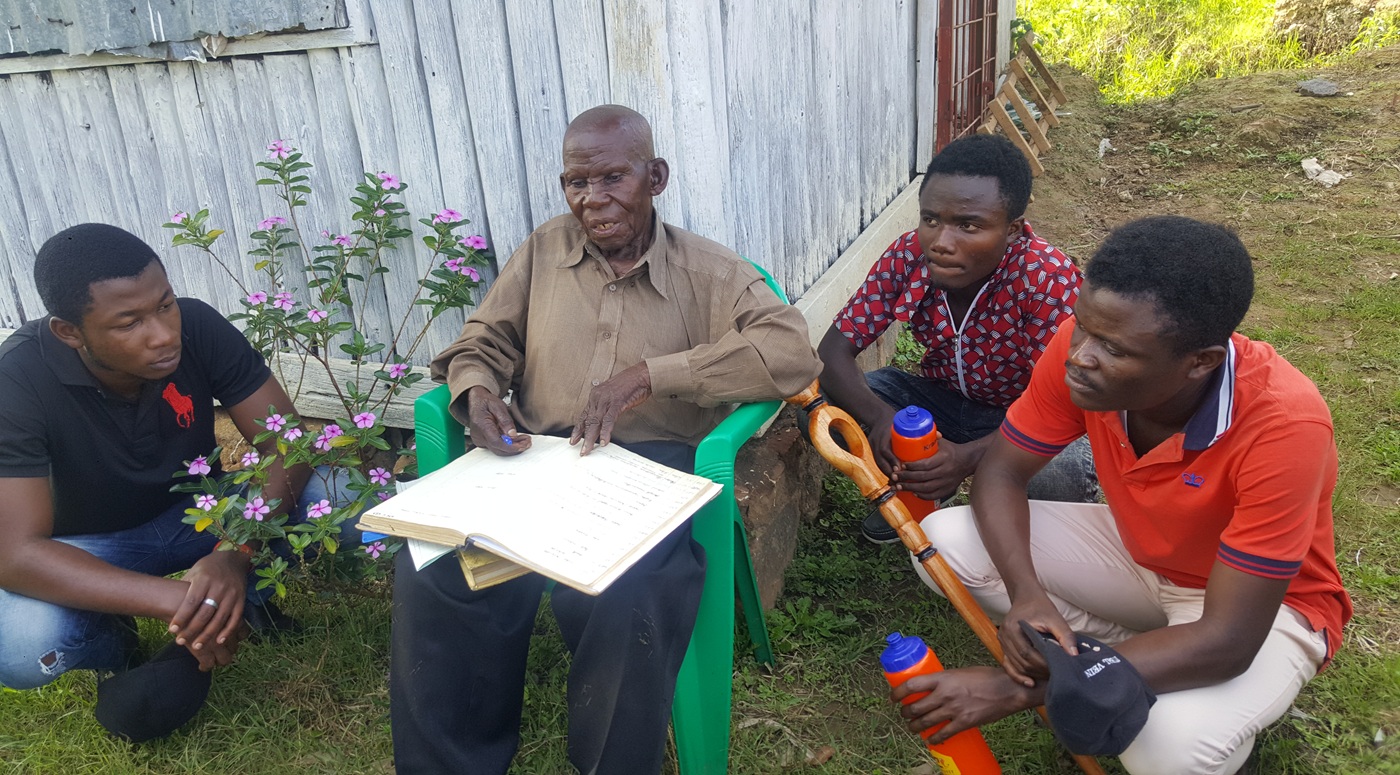
Vernacular plant names from the Democratic Republic of the Congo
- Vernacular plant names from the Democratic Republic of the Congo: Trends in folk taxonomy of the Kikongo, Kintandu, Kiswahili, Lingala and Mashi languages…
Read More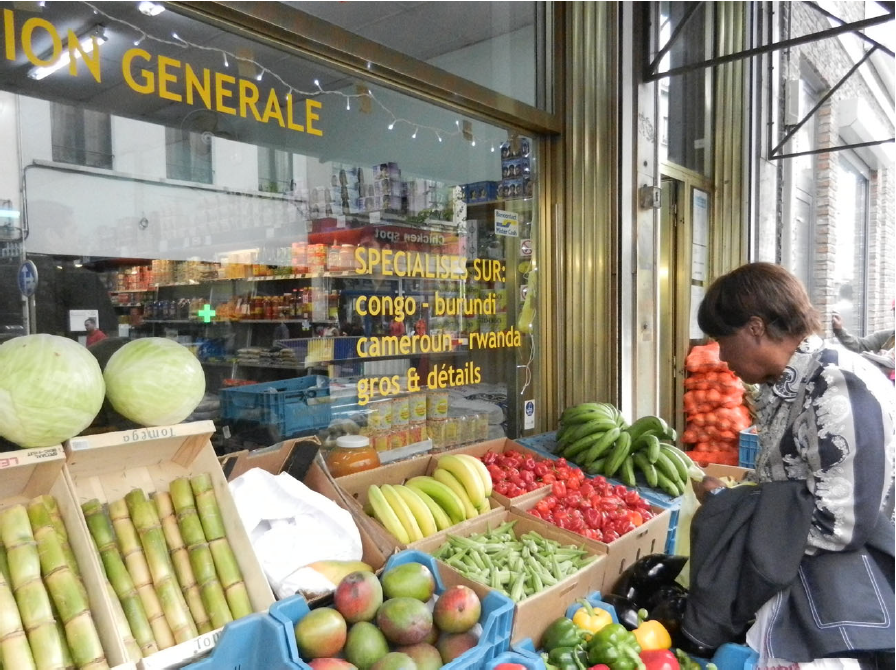
The trade in African medicinal plants
- The trade in African medicinal plants in matonge-ixelles, Brussels (Belgium). Economic Botany, 2016, 70(4), 405-415. Read the Article
Read More
Plants used in the treatment of digestive tract diseases in Kinshasa
Ethnobotanical study of plants used in the treatment of digestive tract diseases in Kinshasa and its surroundings, Democratic Republic of Congo. International Journal of…
Read More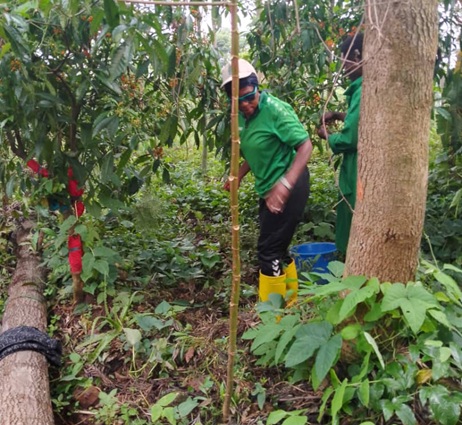
Botanic Gardens in migration settings in the South-Kivu
SDG 12: Responsible consumption and production: Botanic Gardens in migration settings in the South-Kivu, DRC, BGCI • 2018 • BGJournal, Vol 15 (1), pp.34-36G…
Read More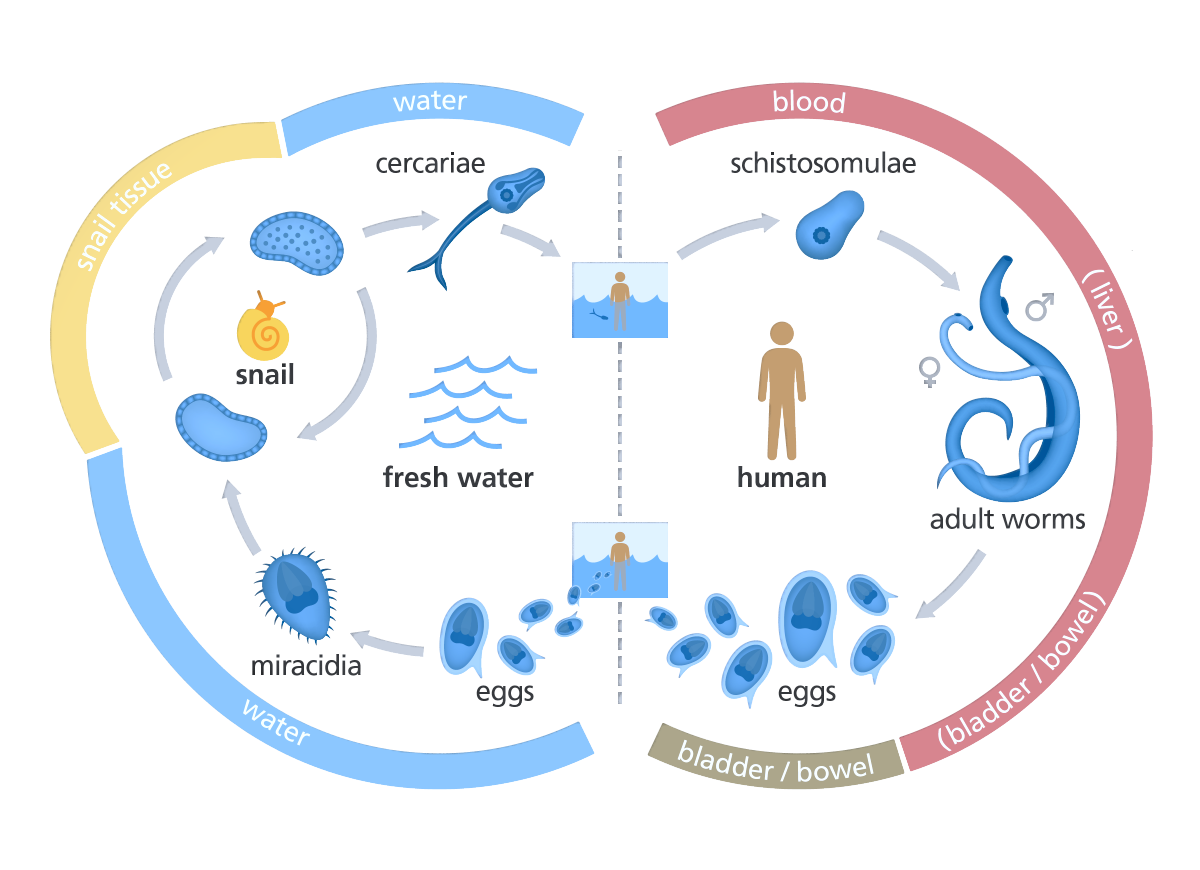
Prevalence of intestinal schistosomiasis vectors
Effects of climate variability on the prevalence of intestinal schistosomiasis vectors in the Katana health zone, South Kivu, Democratic Republic of Congo., REB-PASRES 4(2)…
Read More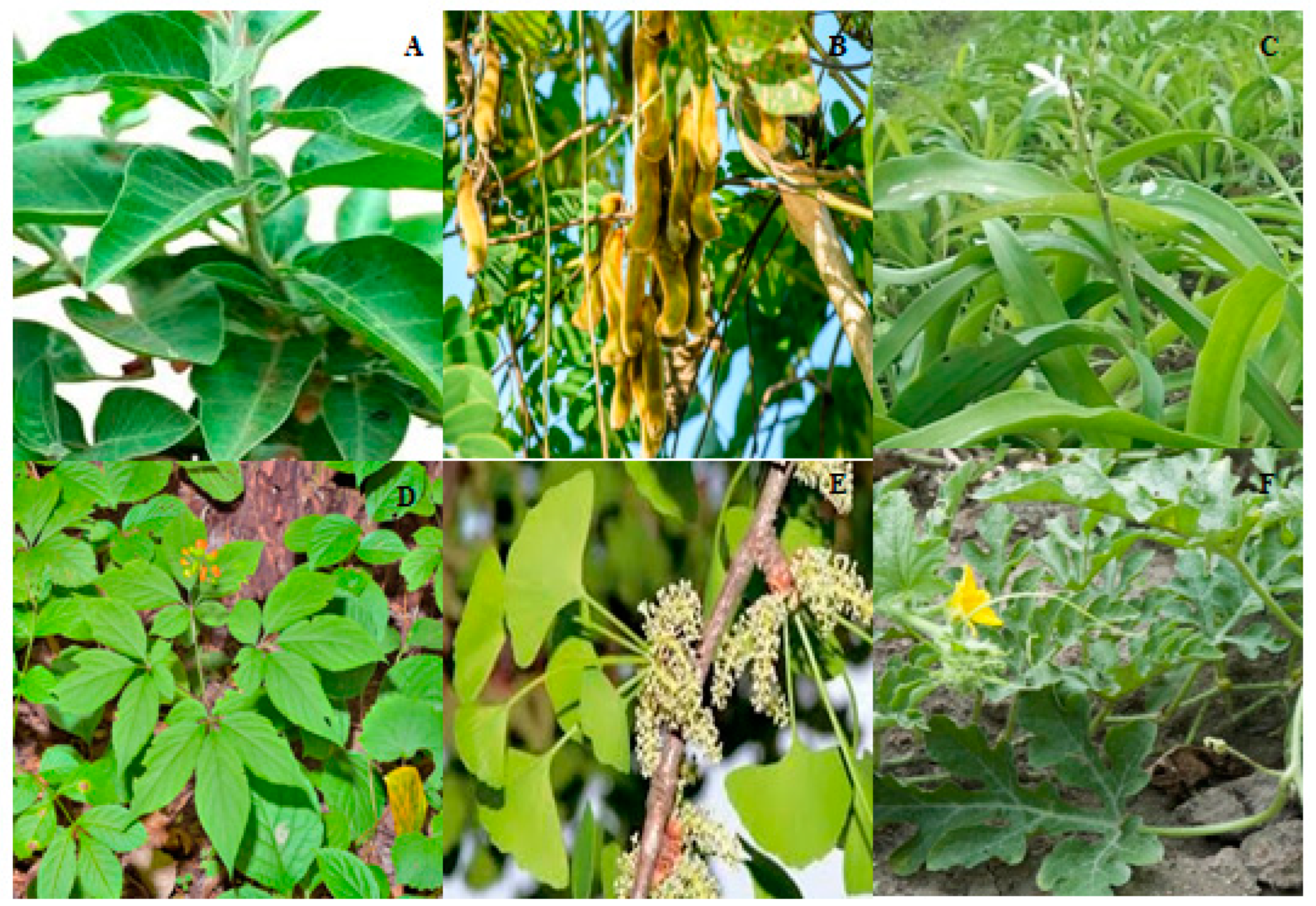
Plants used against erectile dysfunction
Ethnobotanical survey of plants used against erectile dysfunction in the commune of Ngaba in Kinshasa/DR Congo. World J Adv Res Rev, 13, , 2022,…
Read More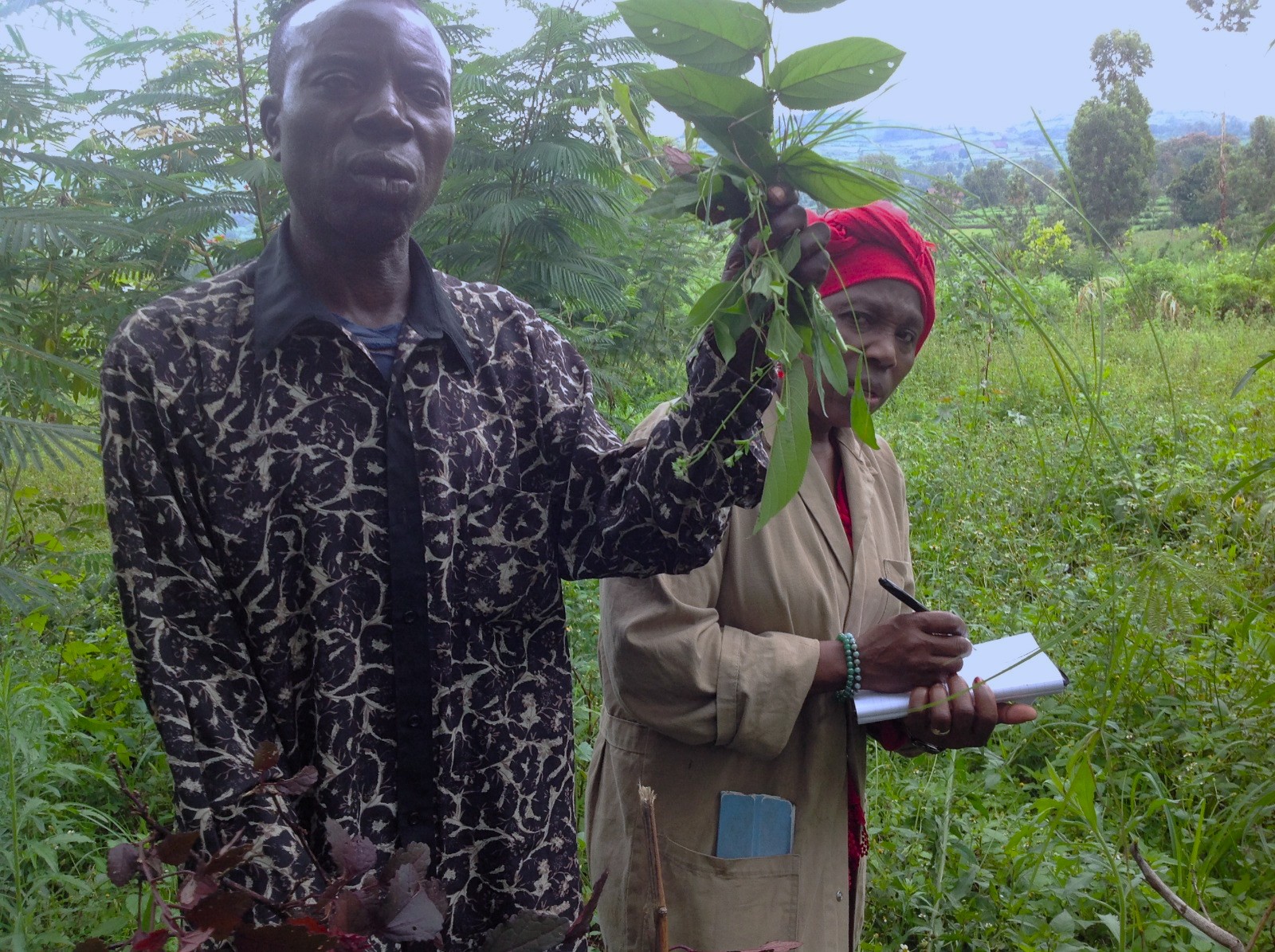
Antibacterial activities of 13 medicinal plants
Antibacterial activities of 13 medicinal plants used against infectious and parasitic diseases in Kinshasa and its surroundings, DR Congo. IJBPSA, 3(02), 2022, 039-47 Read…
Read More
Community Botanic Gardens for COVID19 recovery
A case study at The Jardin Ethnobotanique du Kivu in the East of the Democratic Republic of the Congo, BGCI BGJournal Volume 20 •…
Read More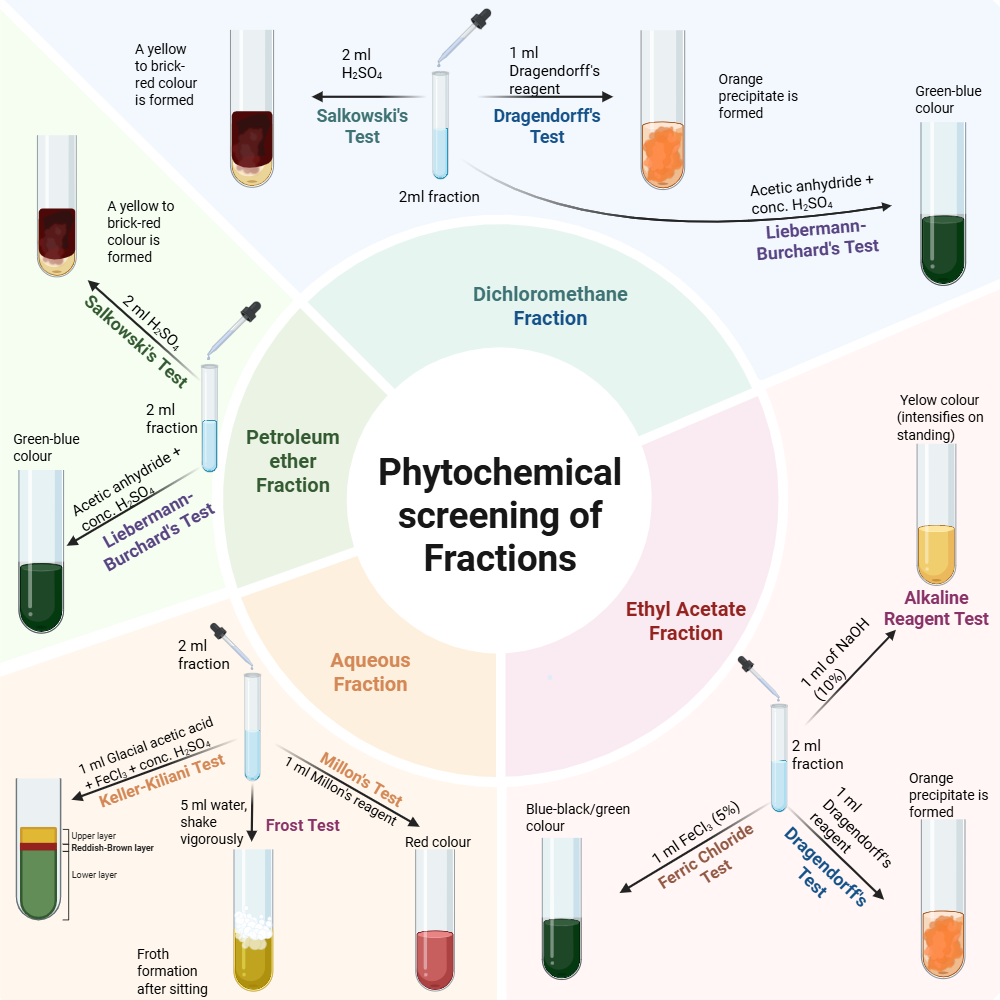
Nutritional Value and Phytochemical Screening
Nutritional Value and Phytochemical Screening of Four Wild Edible Plants Used as Functional Foods in Kabare, South-Kivu (DRC). Open Journal of Applied Sciences, 2025, 15(8), 2503-2514.…
Read More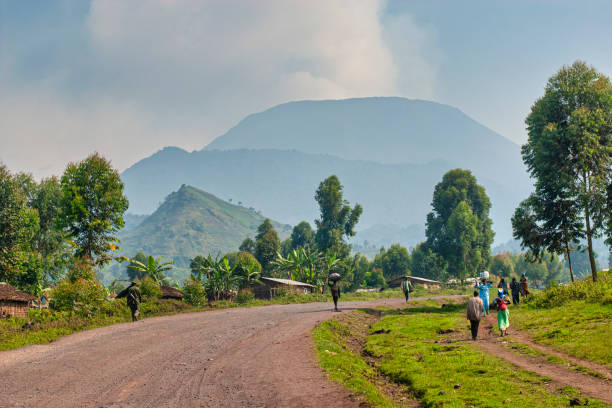
Trees and society in the Kivu Mountains
Trees and society in the Kivu Mountains Read the Article
Read More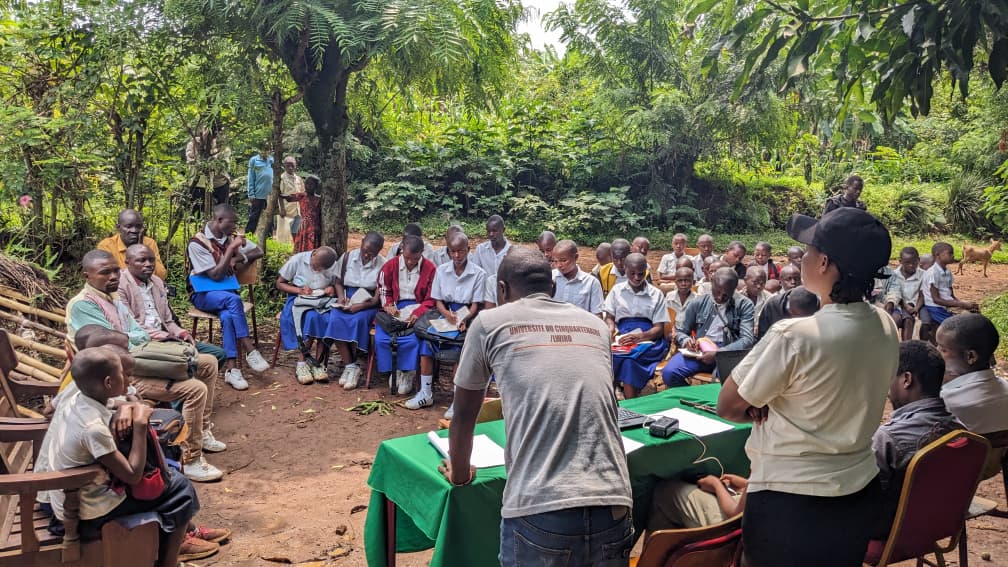
Bridging the gap between the elite and the non-elite
Student interns at JEBK raise awareness among the population about the various activities of JEBK, presenting scientific knowledge in the local language, thereby bridging…
Read More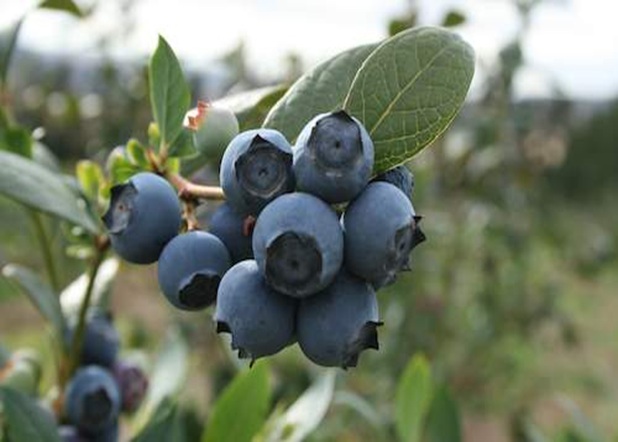
Wild Edible Fruits in the Montane South Kivu
Diversity, Availability, and Uses of Wild Edible Fruits in the Montane South Kivu, D.R. Congo, Western Albertine Rift’, 2025, East African Journal of Environment…
Read More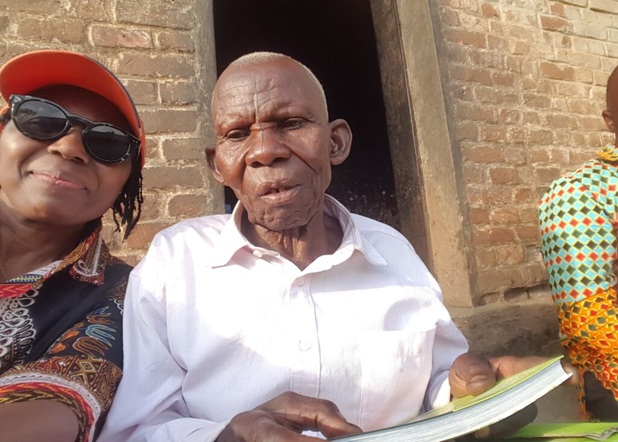
Mr Dumbo, The Scholar of Central African Flora
Mr Dumbo Kirundo (from the Réga ethnic group), nicknamed the Scholar and the Baobab of Central African Flora, was the first black employee of…
Read MoreOur Volunteer Team
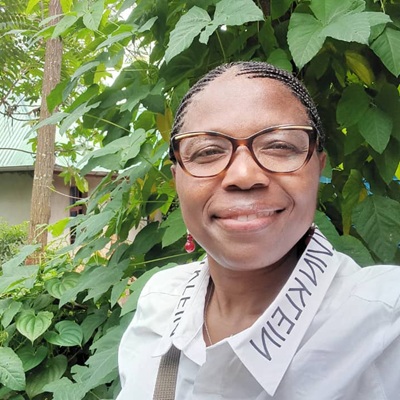
Marie-Cakupewa FUNDIKO
Executive Director
Bijoux ZIGABE
Landscape manager
Dada MULIMBI
Vocational Training & Entrepreneurship
Jean-Paul NALUKOMA
Vocational Training & EntrepreneurshipOur Testimonials
CRSN LWIRO DR. Congo Research Centre
Cooperation with the Kivu Ethnobotanical Garden is strategic for CRSN-Lwiro. It allows scientific rigour and local knowledge to be combined to ensure the preservation and study of indigenous species. This partnership is a key driver for applied research and biodiversity conservation in South Kivu.
About us : Visit CRSN LWIRO

UNI-50 Lwiro DR. Congo Public University
Our partnership with the Kivu Ethnobotanical Garden is an essential educational tool. It provides our students with a living laboratory where they can combine scientific research with the promotion of indigenous knowledge. Together, we are transforming local biodiversity into sustainable solutions for our region's pharmacopoeia and food security.
About us : uni50lwiro.ac.cd
Alexandre MWABI PhD - UNI50 LWIRO
As a biochemist researcher and university professor, I consider the Kivu Ethnobotanical Garden to be an indispensable open-air laboratory. This collaboration allows us to scientifically validate the active ingredients in our medicinal flora, thereby transforming ancestral knowledge into safe and accessible treatments for modern medicine.